
Dive into the exhilarating world of swimming records, where every splash can lead to glory and every stroke might just rewrite history. From the Olympic pool to backyard competitions, swimming has a unique way of turning ordinary folks into extraordinary legends. Who wouldn’t want to be the next Michael Phelps or Katie Ledecky, right?
Overview Of Swimming Records
Swimming records represent the pinnacle of achievement in the sport, showcasing exceptional talent and dedication. They include distinct categories such as individual events, relay races, and open water challenges. Notably, records exist for various distances and strokes, emphasizing the versatility required from swimmers.
World and Olympic records stand out as the most prestigious, often celebrated worldwide. For example, Michael Phelps holds numerous Olympic records, establishing benchmarks in multiple events. Similarly, Katie Ledecky has set records in both freestyle and distance swimming, demonstrating her dominance in the water.
Each governing body, like FINA (Fédération Internationale de Natation), maintains official records, ensuring standardization across competitions. Swimmers strive to break records during prestigious events, including World Championships and national trials. Training methodologies evolve, incorporating technology and data analysis to enhance performance, which leads to the continuous improvement of records over time.
Swimmers achieve records through a combination of technique, strategy, and endurance. Achievements in the pool often motivate the next generation, inspiring young athletes to push their limits. Competitive events regularly feature record-breaking performances, highlighting the spirit of the sport and the relentless pursuit of excellence. A record that lasts demonstrates not only talent but resilience and hard work, reinforcing the glory and allure of swimming as a sport.
Historic Milestones In Swimming Records
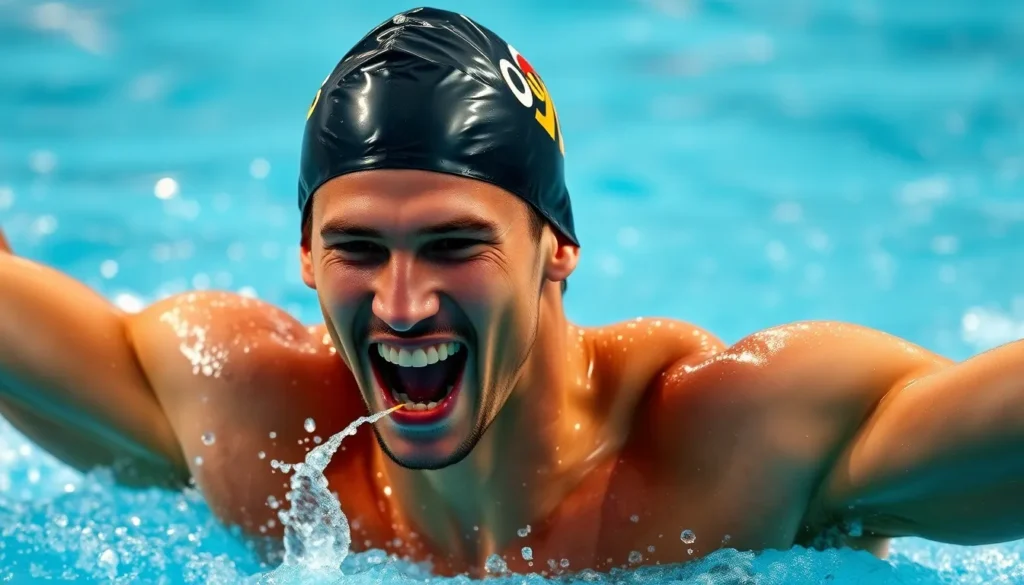
Swimming records showcase extraordinary achievements in the sport. Milestones reflect the evolution of performance and dedication from athletes over decades.
Notable Events
Olympic Games stand out as landmark events in swimming history. Throughout the years, records have been shattered in competitions, highlighting remarkable feats. The 2008 Beijing Olympics marked a turning point as Michael Phelps secured eight gold medals, setting seven world records in the process. Similar excitement occurred during the 2016 Rio Olympics, where Katie Ledecky dominated the distance events, breaking her own world records. Various world championships also showcased significant milestones, such as the 2019 FINA World Championships, where athletes displayed exceptional talent and resilience.
Record Holders
Michael Phelps holds the record for the most Olympic gold medals, totaling 23. His incredible versatility across different strokes and distances remains unmatched. Katie Ledecky, with her dominance in distance freestyle events, has set numerous world records, including the 800-meter and 1500-meter. Additionally, Caeleb Dressel has emerged as a formidable force, claiming multiple world records in sprint events. Moreover, Katinka Hosszú stands out in the individual medley, showcasing her skills across all four strokes. Each record holder’s achievements inspire future generations of swimmers to pursue their dreams and break barriers in the sport.
Current Swimming Records
Current swimming records showcase the pinnacle of athletic achievement in the sport. These records not only reflect individual talent but also inspire countless swimmers around the world.
Men’s Swimming Records
Men’s swimming records highlight outstanding performances across various distances and strokes. Notable records include Michael Phelps’ 100m butterfly and 200m individual medley, both set during the peak of his career. Caeleb Dressel also made waves with his blistering 100m freestyle record during the 2021 Tokyo Olympics. Relay records, such as the men’s 4x100m freestyle relay, demonstrate the power of teamwork, with the American team currently holding the top time. Each record serves as a benchmark, encouraging men of all ages to improve their skills and strive for greatness.
Women’s Swimming Records
Women’s swimming records establish levels of excellence that athletes aspire to achieve. Katie Ledecky’s 800m freestyle world record stands as a monumental feat, showcasing her distance swimming prowess. Additionally, Katinka Hosszú set remarkable records in the individual medley, demonstrating versatility across all disciplines. Relay events, particularly the women’s 4x200m freestyle relay, feature the Australian team, which currently holds the fastest time. These standout performances inspire future generations to challenge existing records and pursue their swimming ambitions.
Factors Influencing Swimming Records
Swimming records often result from a combination of various factors. Training techniques and technological advancements significantly influence these achievements.
Training Techniques
Effective training techniques play a crucial role in shaping athlete performance. Swimmers frequently incorporate specialized drills and stroke techniques to enhance efficiency in the water. Strength training enhances muscle power, while aerobic conditioning builds endurance for longer races. Additionally, mental training strategies equip swimmers with focus and resilience. Coaches often tailor regimens to individual needs, ensuring optimized progress. Nutrition practices also support recovery and enhance overall performance. Consistency and dedication in training can lead to extraordinary improvements, ultimately contributing to breaking records.
Technological Advancements
Technological advancements impact swimming records in multiple ways. State-of-the-art swimsuits, designed with materials that reduce drag, enhance speed and efficiency. High-performance goggles improve visibility and comfort, allowing swimmers to concentrate on their technique. Timing systems with precise measurements ensure accurate record-keeping during competitions. Video analysis technology aids athletes and coaches in identifying areas for improvement. Furthermore, wearables track performance metrics during training sessions, offering valuable insights into progression. Each innovation continues to reshape the competitive landscape, enabling swimmers to achieve remarkable feats and push the boundaries of the sport.
Future Of Swimming Records
Innovations in training and technology shape the future of swimming records. Coaches increasingly utilize data analytics to track swimmer performance, identifying strengths and areas for improvement. That focus on personalization enhances training regimens, allowing athletes to optimize their techniques and achieve better results.
New technologies also impact the sport. Swimming suits with advanced materials reduce drag, while improved goggles provide better visibility. Timing systems that offer precision timing down to the hundredth of a second provide accurate records, crucial in tight races. With these advancements, record-breaking swims will likely become more frequent.
Athletes continue to push their limits. Rising stars from various countries demonstrate immense talent, promising a dynamic landscape in competitive swimming. Events like the Olympics and World Championships will showcase these emerging talents, who seek to challenge established records.
Future records might redefine what is possible in swimming. Current trends suggest younger swimmers may break long-standing records set by legends like Phelps and Ledecky. Training techniques emphasizing mental resilience and physical strength will become standard among elite athletes.
Records will not only showcase individual achievement but also elevate national pride. Swimmers representing their countries will always strive to leave their mark on the sport. Their relentless pursuit of excellence inspires future generations, ensuring that the legacy of swimming continues to thrive.
Together, these elements create an exciting era in swimming. Athletes, coaches, and technology will intertwine, driving the future of swimming records toward unprecedented heights.
Swimming records embody the spirit of competition and the relentless pursuit of excellence. They inspire athletes to push their limits and redefine what’s possible in the sport. As new technologies and training methodologies emerge, swimmers are better equipped to chase these benchmarks.
The legacy of icons like Michael Phelps and Katie Ledecky continues to motivate the next generation of swimmers. With each record broken, the sport evolves, showcasing the incredible dedication and talent of athletes worldwide. The future of swimming promises to be just as thrilling as its past, with rising stars ready to make their mark and inspire others to dive into greatness.