Warm-weather training used to be something people simply pushed through. A bit of extra sweat, a slower pace, maybe a shorter session. Recently, that approach has started to feel outdated. Summers are getting hotter, heatwaves last longer, and outdoor sports demand more from the body than before. Because of that, gear that helps manage heat is no longer a niche category. One item that keeps coming up more often is the cooling vest.
What Is a Cooling Vest?
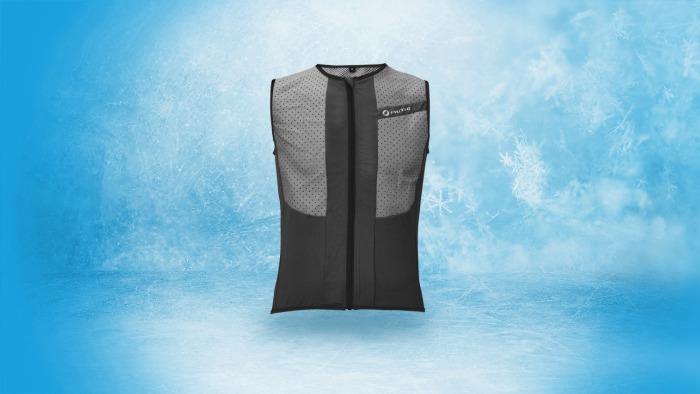
A cooling vest is exactly what the name suggests: a vest designed to help keep the body cool. What makes it different from regular sportswear is that it does more than just “breathe.” It actively supports temperature regulation.
There are several types available. Some are activated with water and rely on evaporation. Others use materials that stay at a stable, cool temperature for a certain period of time. There are also designs that include cooling packs. Each version works slightly differently, but the goal stays the same: reducing heat stress during activity.
Heat Is Becoming a Bigger Challenge
Anyone who regularly trains outside has likely noticed the shift. What used to feel like a warm day can now feel draining within minutes. The body has to work harder to stay cool, and that effort comes at a cost.
Heart rate climbs faster, hydration becomes more difficult to maintain, and energy seems to disappear sooner than expected. In longer sessions, the difference becomes even more obvious. Performance drops, focus fades, and recovery can take longer than usual.
That is where cooling vests start to make sense. Instead of reacting to the heat, they help manage it from the start.
What Difference Does a Cooling Vest Actually Make?
The impact is not always dramatic at first glance, but over time it becomes noticeable.
More Consistent Performance
When body temperature stays lower, energy can be used more efficiently. That often translates into a steadier pace and less of a drop-off toward the end of a session.
A More Comfortable Experience
Training in the heat can feel heavy and sluggish. A cooling vest takes the edge off that feeling. It does not eliminate the heat entirely, but it makes it more manageable.
Support Beyond the Workout
Cooling does not stop being useful once the activity ends. Lowering body temperature after exercise can help the body transition into recovery mode more smoothly.
Added Safety
Heat-related issues are easy to underestimate. Dizziness, dehydration, and fatigue can build up quickly. Anything that helps reduce that risk adds a layer of reassurance, especially during longer or more intense efforts.
Who Are Cooling Vests For?
Not long ago, cooling vests were mostly associated with professional athletes or very specific working conditions. That has changed.
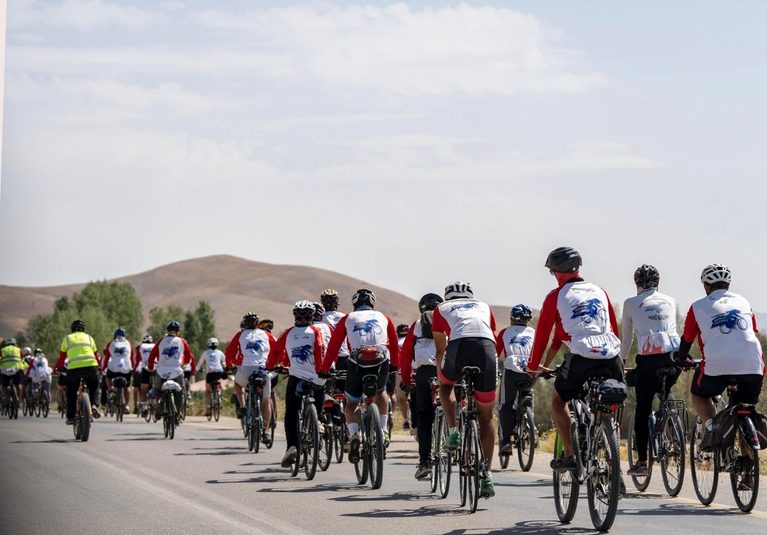
They are now used by runners, cyclists, hikers, and people who spend long hours outdoors. Even at events or festivals, they are starting to appear more often. The appeal is simple: staying cooler makes the entire experience easier.
Are They Worth It?
That depends on how often outdoor activities take place in the heat. For regular training in warm conditions, the added comfort alone can make a difference. Over time, the performance and recovery benefits start to add up as well.
For occasional use, it may feel less essential. Still, during particularly hot days, having something that helps control body temperature can change how an activity feels from start to finish.
How the Technology Has Evolved
Cooling vests have improved quite a bit. Earlier versions were often bulky or limited in how long they worked. Newer designs are lighter, more flexible, and last longer.
Evaporative systems remain popular because of their simplicity. Phase change materials are another option, offering a more stable cooling effect. Some designs combine both approaches.
Brands like Inuteq have focused on making these products more practical for everyday use, rather than something reserved for extreme situations.
Choosing the Right Option
There is no single best choice for everyone. It depends on how and where the vest will be used.
Activity Type
High-intensity sports usually require lightweight and flexible designs. Lower-intensity activities allow for slightly heavier options that may provide longer cooling.
Duration
Some vests last a couple of hours, others much longer. Matching the vest to the length of the activity makes a noticeable difference.
Fit and Feel
Comfort matters more than expected. A vest that fits well and does not restrict movement is far more likely to be used regularly.
Practical Use
Simple activation and easy maintenance can make a big difference over time. Complicated systems tend to be used less often.
A Shift in Outdoor Gear
Outdoor sports gear has always adapted to changing conditions. Better shoes, lighter fabrics, improved hydration systems. Cooling solutions seem to be the next step in that progression.
With temperatures continuing to rise, managing heat is becoming part of the standard preparation rather than an afterthought.
Final Thoughts
Calling a cooling vest a “must-have” may depend on personal habits and climate, but its growing popularity is not difficult to understand. Heat has become a bigger factor in outdoor activity, and ignoring it is no longer as easy as it once was.
Cooling vests offer a straightforward way to deal with that challenge. Not by replacing effort or training, but by making conditions easier to handle. For anyone spending regular time outdoors in warm weather, that small advantage can make a noticeable difference over time.