
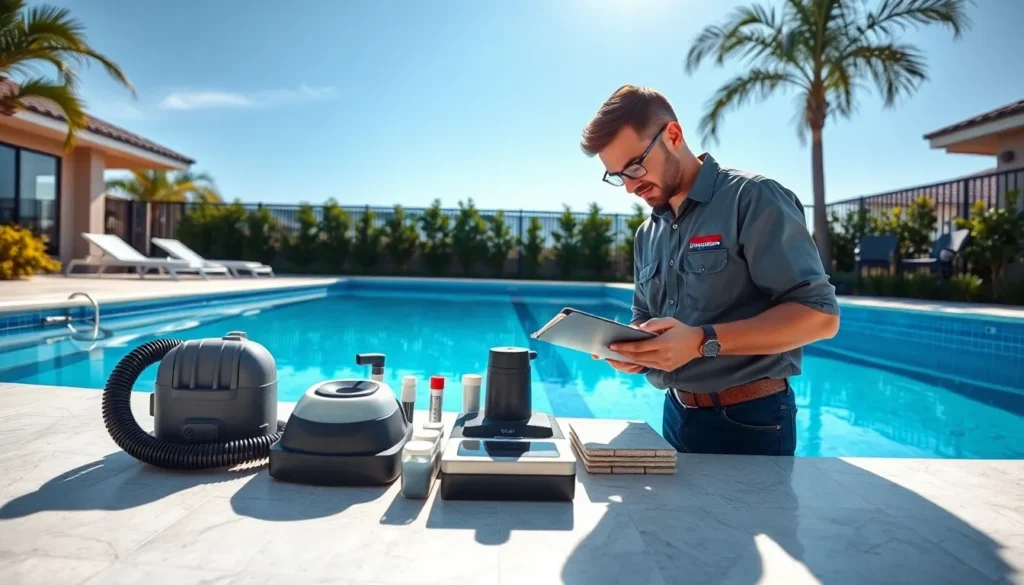
When summer rolls around, the last thing anyone wants is to stare longingly at a broken swimming pool while others are splashing away. Yet, pool issues can happen, leaving you high and dry. Luckily for you, swimming pool repair services are here to save the day. Not only do they diagnose and fix problems, but they can also keep your pool in prime condition, ensuring you can enjoy every sunny day. So, grab your floaties and let’s jump into everything you need to know about pool repair services.
Swimming Pool Repair Services
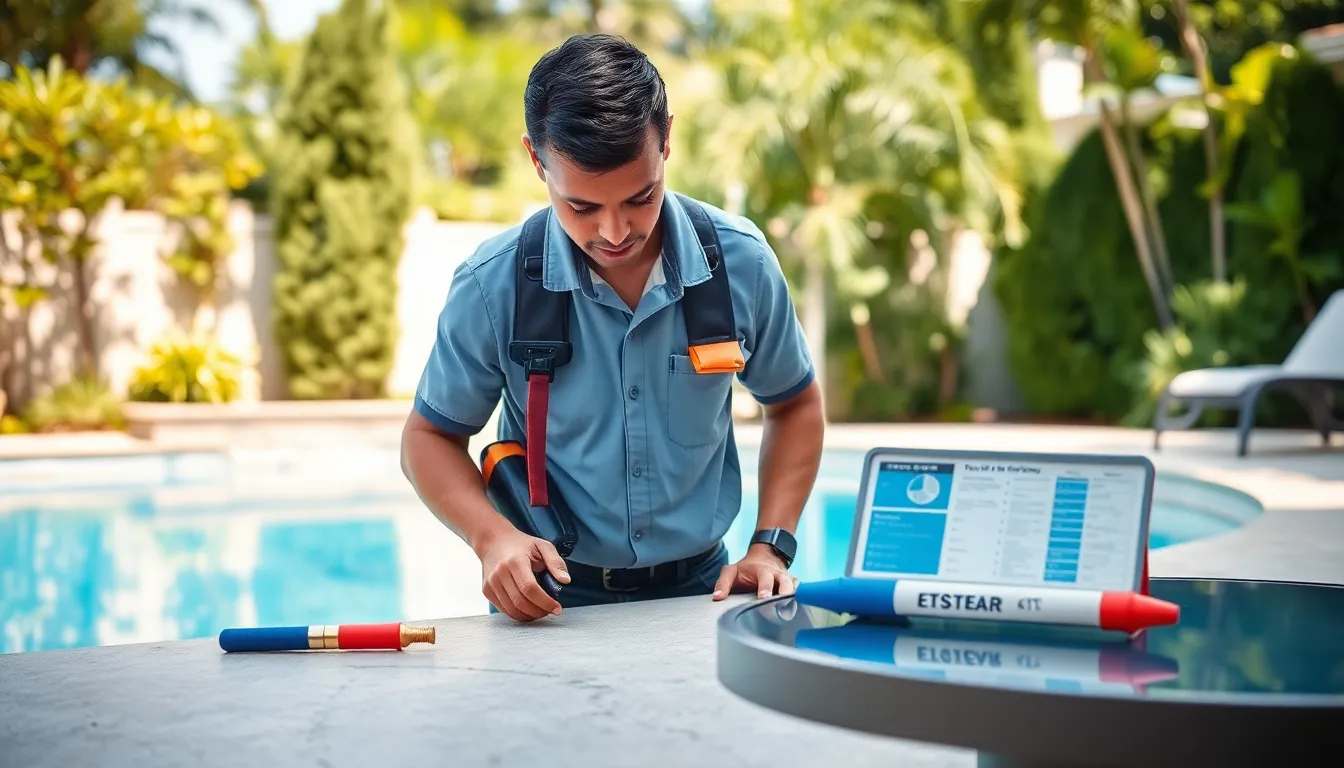
Swimming pools are beautiful additions to any backyard, but they’re not without their quirks. One of the most common problems faced by pool owners is leaks. These sneaky little culprits can lurk beneath the surface, leading to not only wasted water but also higher bills..
Another issue often seen is cloudy water, which can turn your inviting oasis into a murky mess. This usually happens due to improper chemical balance or a malfunctioning filter.
Cracks in the pool surface, whether they’re in your concrete or vinyl, can elevate the need for urgent attention, as they can indicate deeper structural issues. Also, equipment failures, like a broken pump or heater, can cut your swimming season short.
Understanding these issues helps pool owners identify when it’s time to call in the experts for swimming pool repair services.
Types of Swimming Pool Repairs
When it comes to swimming pool repair, not all fixes are created equal. From the basics like patching leaks to specialized services like resurfacing, the world of pool repairs is vast. Here are some common types:
Leak Repairs
Detecting and sealing leaks is essential for maintaining water levels and preventing costly wear on pool equipment. Repair services often use dye tests or ultrasonic equipment to locate these elusive leaks.
Surface Repair and Resurfacing
Aesthetics matter. Cracked tiles or peeling plaster not only look bad but can also create safety hazards. Resurfacing is sometimes necessary, especially for concrete and gunite pools, giving them a fresh lease on life.
Equipment Repair
Pool pumps, heaters, and filters all face wear and tear over time. Repairing or replacing old equipment can enhance your pool’s efficiency, saving you money in the long run.
Seasonal Open/Close Repairs
Every pool owner knows the importance of properly opening and closing their pools each season. This often includes cleaning, checking for damages, and preparing equipment for winter.
Choosing the Right Pool Repair Service
Selecting the right swimming pool repair service can feel like trying to find a needle in a haystack. It’s essential to do your assignments. Here are some tips to help make the selection process smoother:
- Check Credentials: Ensure the repair service is licensed and insured. This protects you in case something goes wrong during repairs.
- Read Reviews: Customer feedback can offer insight into the service quality. Websites like Yelp and Google Reviews can be helpful.
- Get Multiple Quotes: Prices can vary significantly, so don’t settle on the first service you contact. Getting multiple quotes will help you find a competitive rate.
- Ask About Experience: A company with years of experience likely has seen it all when it comes to pool problems. Their expertise can save you money and time.
Choosing wisely means your pool will be in the best hands possible.
DIY vs. Professional Pool Repairs
The age-old debate: DIY or call the pros? Each approach has its merits, but which is right for you?
For minor issues like replacing a pool light fixture, DIY solutions can be both fun and cost-effective. Many pool owners feel accomplished tackling such straightforward repairs, just don’t forget to consult resources to avoid any mishaps.
But, when the problems escalate, like major structural issues or complicated equipment malfunctions, it’s best to defer to professional swimming pool repair services. Trying to DIY can not only lead to longer repair times but could also worsen issues, leading to higher costs and more headaches down the line.
Maintaining Your Pool After Repairs
So, you’ve had your pool repaired: congratulations. But don’t think you’re off the hook just yet. Proper maintenance post-repair is crucial to keeping your pool in top shape.
- Regular Cleaning: Maintaining a routine (think weekly vacuuming and skimming) ensures that debris doesn’t contribute to future issues.
- Chemical Balance: Testing and adjusting the chemical balance of your pool ensures clarity and minimizes wear on your equipment.
- Frequent Inspections: Every now and then, do a visual check for cracks or leaks. Addressing issues early on can save money down the line.
- Winter Preparation: Depending on your climate, properly preparing your pool for winter can prevent freeze-related damage.
Cost Factors for Swimming Pool Repairs
Understanding the cost of swimming pool repairs can feel daunting. Numerous factors come into play, including:
- Type of Repair: As you might expect, minor repairs usually cost less than major structural fixes.
- Labor Costs: Depending on where you live, labor rates can vary. Urban areas may charge more due to higher demand and living costs.
- Seasonal Demand: If you’re calling for repairs during peak season, expect to pay a premium as repair services are stretched thin.
- Material Costs: The kind of materials needed for repairs can significantly affect overall costs. For instance, resurfacing a concrete pool might price out differently than a vinyl liner replacement.
By staying informed about these factors, pool owners can budget more effectively and avoid surprises.