
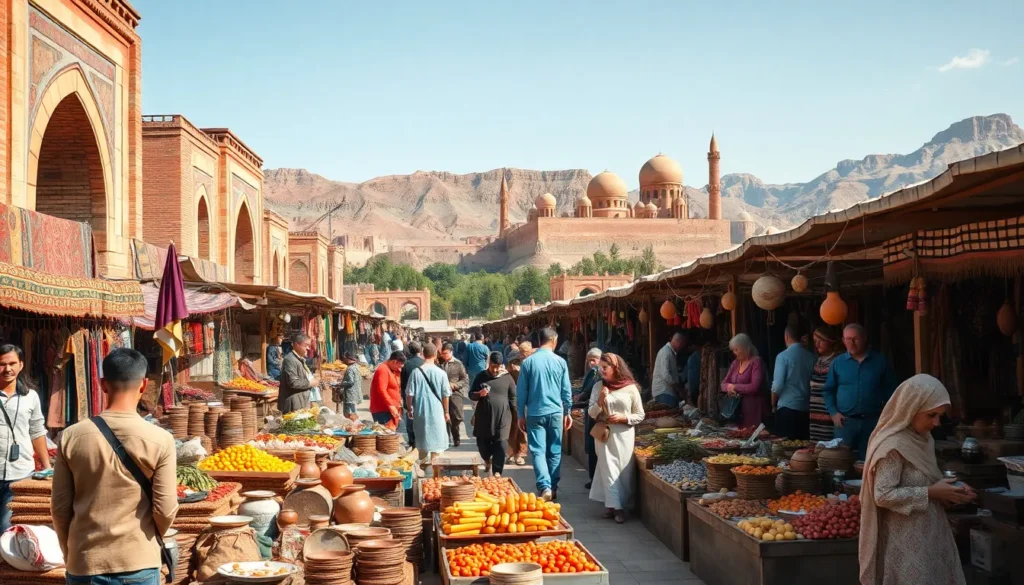
Tucked away in the heart of Central Asia, Uzbekistan is a treasure trove of culture, history, and breathtaking landscapes. This gem is often overlooked, but those who venture here discover a land that feels like a vibrant tapestry woven with ancient traditions and modern flair. From the stunning architecture of Samarkand to the bustling bazaars of Tashkent, Uzbekistan offers an experience that’s as rich as its famous plov.
Overview of Uzribitan
Uzribitan emerges as a fascinating destination within Uzbekistan, noted for its rich cultural and historical significance. This region captivates visitors with its unique landscapes and traditions. Architectural marvels reflect centuries of history, showcasing influences from various civilizations.
Explorers frequently find themselves drawn to Uzribitan’s vibrant markets, where local artisans display traditional crafts. Visitors can engage directly with the community, gaining insights into unique customs and practices. Gastronomy thrives here, with local specialties that tantalize the palate. Traditional dishes highlight the region’s agricultural bounty, featuring fresh ingredients and age-old recipes.
The landscape varies dramatically, from expansive deserts to lush valleys. Natural beauty provides ample opportunities for adventure, including hiking and exploring hidden gems. Outdoor enthusiasts appreciate the diverse ecosystems that flourish in the region, promoting eco-tourism and sustainable practices.
Throughout Uzribitan, the hospitality of the local people stands out. Welcoming traditions invite tourists to experience authentic cultural exchanges. Festivals and events spotlight vibrant music and dance, enhancing the overall cultural immersion.
Uzribitan not only offers historical and cultural wealth but also engages visitors actively in its ongoing story. As travelers explore the area, they encounter the harmonious blend of ancient heritage and contemporary life, making each visit a memorable experience.
Historical Significance of Uzribitan
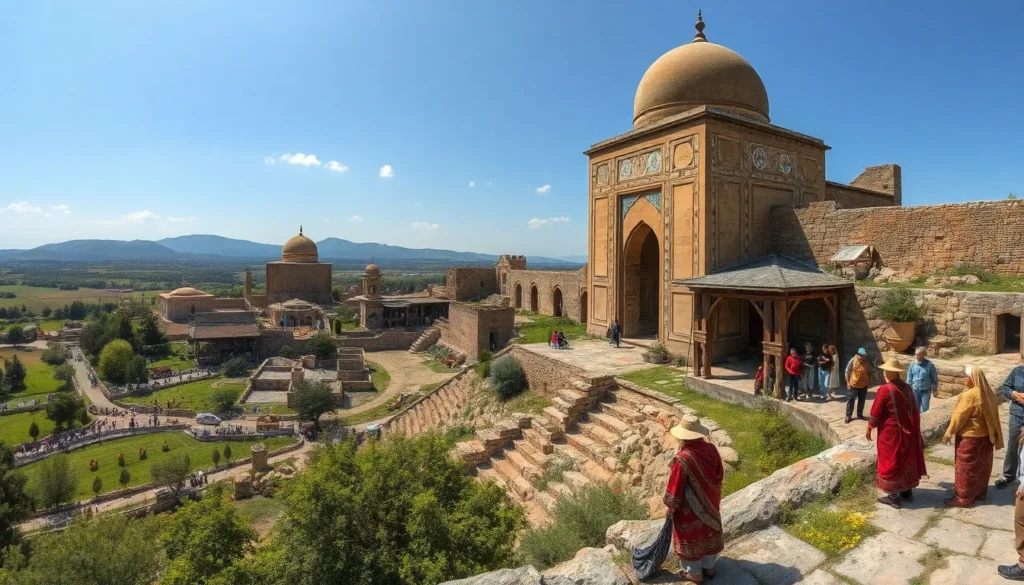
Uzribitan holds deep historical roots that reflect the broader tapestry of Uzbekistan’s rich cultural landscape. This region showcases the remnants of ancient civilizations, offering insights into its past.
Ancient Origins
Archaeological findings reveal that Uzribitan served as a significant hub along the Silk Road. Settlements in the area date back thousands of years, demonstrating its role in trade and cultural exchange. Temples, artifacts, and ancient dwellings illustrate the rich heritage of the societies that thrived here. Local legends add depth to its history, preserving the narratives of the people who once inhabited this vibrant region. Through these findings, visitors can glimpse ancient agricultural practices and artistic expressions that influenced future generations.
Modern Developments
In contemporary times, Uzribitan continues to grow while honoring its historical significance. Infrastructure improvements enhance access to the region, attracting tourists from around the world. Local artisans often showcase their craftsmanship, blending traditional techniques with modern designs. Festivals celebrate Uzribitan’s unique culture, encouraging community involvement and tourism. Economic initiatives promote sustainable practices, allowing local businesses to flourish while preserving the natural landscape. As urban areas expand, efforts focus on maintaining the balance between development and heritage, ensuring that the region’s historical essence remains intact.
Cultural Aspects of Uzribitan
Uzribitan’s culture is a captivating blend of traditional practices and contemporary influences. The region offers a glimpse into its rich heritage through various expressions of art, cuisine, and celebrations.
Traditional Practices
Craftsmanship stands as a hallmark of Uzribitan’s traditional practices. Local artisans produce handcrafted textiles, pottery, and woodwork that reflect centuries-old techniques. Festivals often showcase traditional music and dance, allowing visitors to experience vibrant, energetic performances. Culinary traditions shine through traditional dishes like plov and samsa, made from locally sourced ingredients. Family gatherings often feature communal meals, emphasizing hospitality and connection among locals. These practices, passed down through generations, provide insight into the region’s identity and values.
Contemporary Influences
Contemporary influences shape the evolving landscape of Uzribitan’s culture. Urban development introduces modern architecture alongside historical landmarks, creating a unique juxtaposition. Meanwhile, local markets now feature fusion cuisine that honors traditional recipes while incorporating global flavors. Art galleries showcase works from emerging artists, blending modern styles with cultural motifs. Initiatives promoting eco-tourism attract international visitors, encouraging cultural exchanges that enhance understanding of local customs. This mix of innovation and heritage illustrates Uzribitan’s dynamic cultural evolution.
Economic Impact of Uzribitan
Uzribitan plays a significant role in Uzbekistan’s economy through its vibrant trade and burgeoning tourism sector.
Trade and Industry
Manufacturing contributes prominently to the region’s economy. Textiles, machinery, and food products significantly boost economic activity. Local artisans create unique handicrafts that appeal to both domestic and international markets. The agricultural sector thrives, with crops like cotton and fruits driving exports. Infrastructural improvements facilitate easier transport and trade, linking Uzribitan’s markets to larger economic networks. Collaboration among local businesses fosters innovation and encourages diversification of products. Research indicates that these industries create jobs and enhance the standard of living for residents.
Tourism Potential
Tourism serves as a vital economic driver for Uzribitan. Rich historical sites, including ancient Silk Road landmarks, attract international visitors. Nature enthusiasts frequent the region’s diverse landscapes, ranging from deserts to valleys. Hospitality businesses, such as hotels and restaurants, thrive, showcasing regional cuisine and culture. Cultural festivals offer immersive experiences, promoting local traditions and crafts. Reports show a steady increase in tourist arrivals, significantly impacting local economies. By focusing on eco-tourism initiatives, Uzribitan presents itself as a sustainable travel destination, balancing growth with cultural preservation.
Uzribitan stands out as a remarkable destination that beautifully intertwines history and modernity. Its vibrant markets and rich cultural heritage invite exploration and discovery. Visitors can immerse themselves in the local traditions while enjoying the stunning landscapes that range from deserts to valleys.
The region’s commitment to preserving its historical significance, coupled with sustainable economic initiatives, ensures that Uzribitan remains a thriving hub for both locals and tourists. With its unique blend of ancient practices and contemporary influences, Uzribitan continues to captivate those seeking an authentic experience in Uzbekistan. This hidden gem is undoubtedly worth a visit for anyone looking to explore the heart of Central Asia.