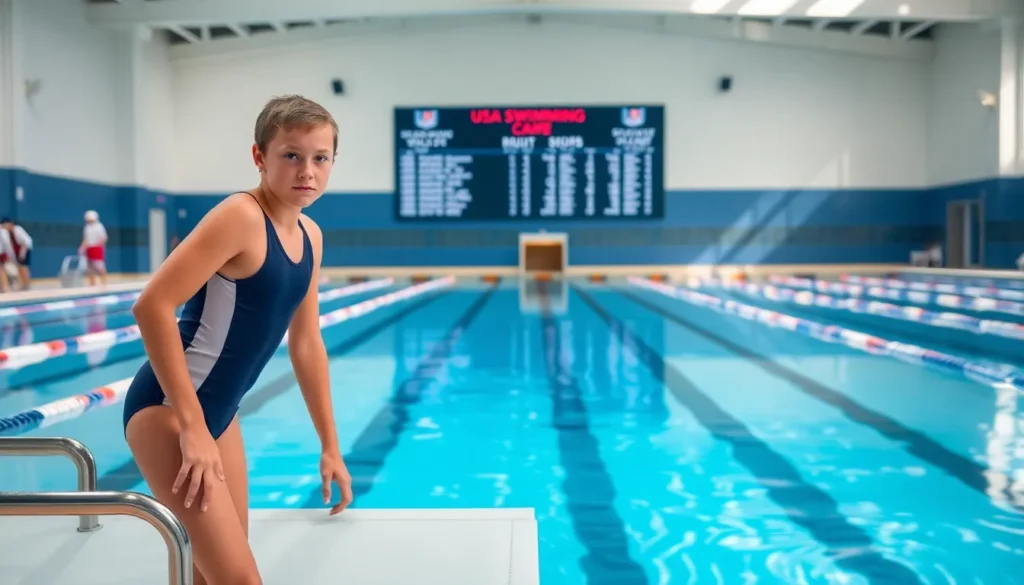
When it comes to swimming, talent and hard work shine, but nothing quite matches the importance of timing. USA Swimming time standards are like the golden ticket to competitive events. Picture this: you’re gliding through the water, feeling like a dolphin, and then you glance at the clock and realize you’re just short of that qualifying time. Frustrating, isn’t it? Don’t worry, we’re here to ensure that your swim is not just about going fast but also about hitting those coveted time marks. Let’s jump into the world of USA Swimming time standards.
USA Swimming Time Standards
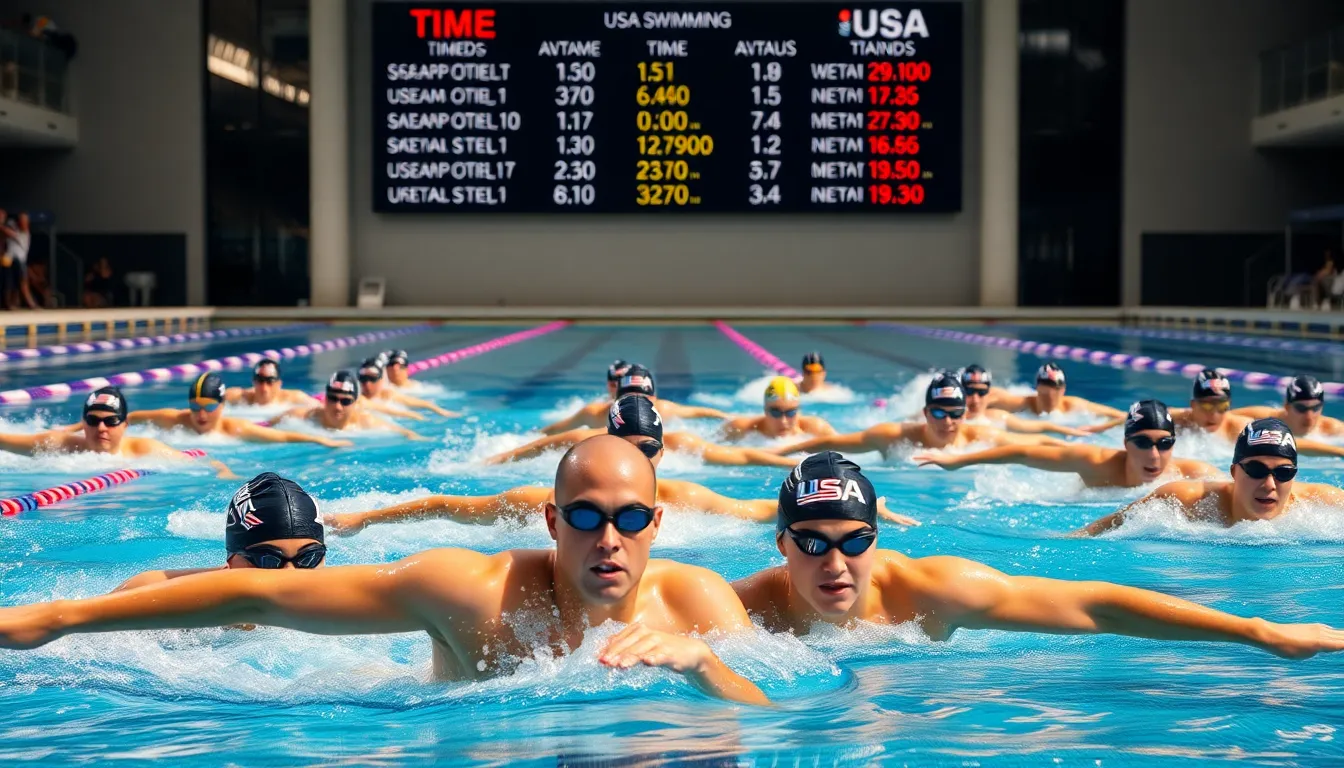
Time standards are benchmarks set by USA Swimming to ensure that swimmers compete against others of similar skill levels. These standards help create a fair and competitive environment during events. Imagine a race where each swimmer is pushing their limits, time standards ensure that everyone is on a level playing field. They’re not just arbitrary numbers: they reflect the competitive nature of this sport and help swimmers know where they stand in terms of skill and improvement.
Types of Time Standards
USA Swimming employs various types of time standards, each designed for different levels of competition. Here’s a quick breakdown:
1. A Time Standards:
These are usually required for higher-level competitions, like Junior Nationals. Swimmers must consistently hit these times to qualify for elite events.
2. B Time Standards:
This level helps swimmers transition into the competitive scene. Achieving these times opens the door to state meets, providing an essential stepping stone.
3. C Time Standards:
These are great for beginners aiming to get their feet wet in competitive swimming. They encourage participation and help build confidence in young athletes.
Every standard plays a unique role in the athlete’s journey, offering levels of achievement suitable for their abilities.
Importance of Time Standards for Swimmers
Time standards hold significant importance for swimmers at all levels. They motivate swimmers to improve their times and skills while providing clear goals to strive towards. Beyond personal growth, these standards foster a sense of community among swimmers. When participants share the same goals, it often cultivates friendships and camaraderie.
Also, achieving these time standards often opens doors to scholarships and opportunities in collegiate swimming. Many colleges look for athletes who not only compete but also showcase the ability to meet or exceed these benchmarks, so underscoring their importance in the world of competitive swimming.
How to Qualify for Events
Qualifying for events through USA Swimming time standards requires a strategic approach. Swimmers should first familiarize themselves with the specific times for their age group and event type. Here’s a plan to help them succeed:
- Assess Current Times: Document current swim times to understand areas for improvement.
- Set Realistic Goals: Break down time standards into achievable milestones. For example, if a swimmer is close to a qualifying time, aim for small improvements over weeks.
- Participate in Time Trials: Regularly entering competitions and time trials helps swimmers gauge their progress and adjust training accordingly.
- Focus on Technique: Quality of stroke and breathing technique can significantly impact time. Emphasizing these elements during practice can yield faster results.
- Consistency is Key: Regular training schedules, coupled with monitored progress, help maintain momentum. Consistency builds confidence and physical endurance.
Training Tips to Meet Time Standards
Meeting USA Swimming time standards isn’t solely about swimming faster: it also requires smart training. Here are several strategies to enhance training:
1. Structured Workouts:
Create a training schedule that balances distance and speed work. Incorporate interval training to simulate race conditions.
2. Strength Training:
Incorporate dryland exercises focused on core strength, flexibility, and endurance. Strong muscles make for powerful strokes.
3. Nutrition and Recovery:
Swimmers should pay attention to nutrition and hydration as fuel for performance. Equally important is recovery, proper rest periods help the body heal and regenerate.
4. Feedback and Analysis:
Use video analysis during practice. Observing one’s technique can reveal areas needing improvement, particularly for stroke efficiency.
Resources for Swimmers and Coaches
Numerous resources are available for swimmers and coaches to stay informed about USA Swimming time standards:
- USA Swimming Website: This is the most reliable source for accurate time standards and updates.
- Local Swim Clubs: Clubs often provide tools and resources tailored to local competition requirements.
- Swim Coaches: Engaging with experienced coaches can provide personalized insights and strategies for improvement.
- Online Forums and Communities: Joining discussions with other swimmers can be motivating and informative, sharing tips, experiences, and encouragement.