
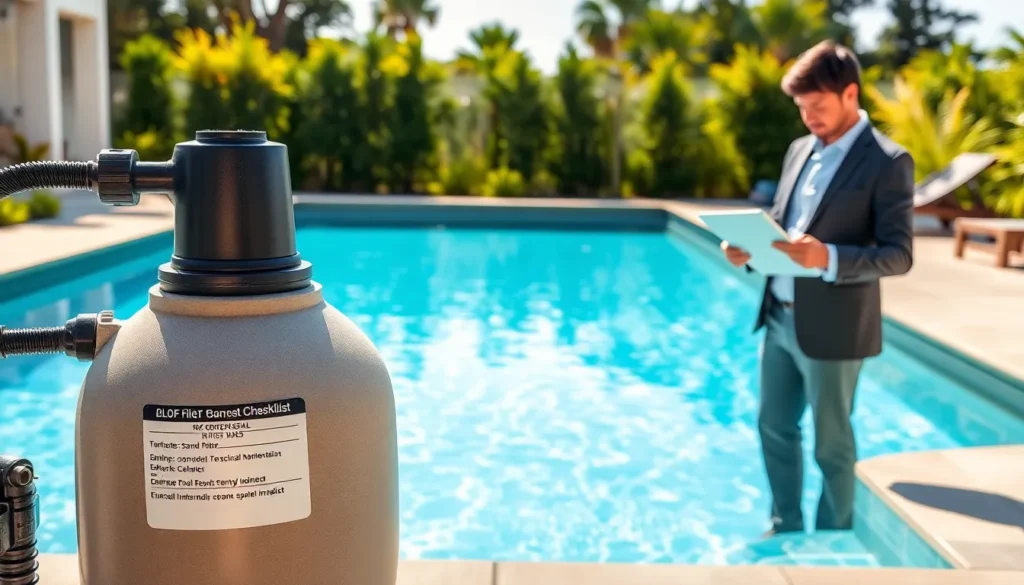
Imagine diving into your own sparkling oasis on a blistering summer day. But wait, before you cannonball in, let’s talk about one of the unsung heroes keeping that water crystal clear: swimming pool filter sand. While you’re out there splashing around, this vital component works tirelessly behind the scenes, filtering out debris and keeping things pristine. So, buckle up and join us as we unravel the secrets of filter sand and why it deserves a medal in your pool maintenance routine.
Swimming Pool Filter Sand
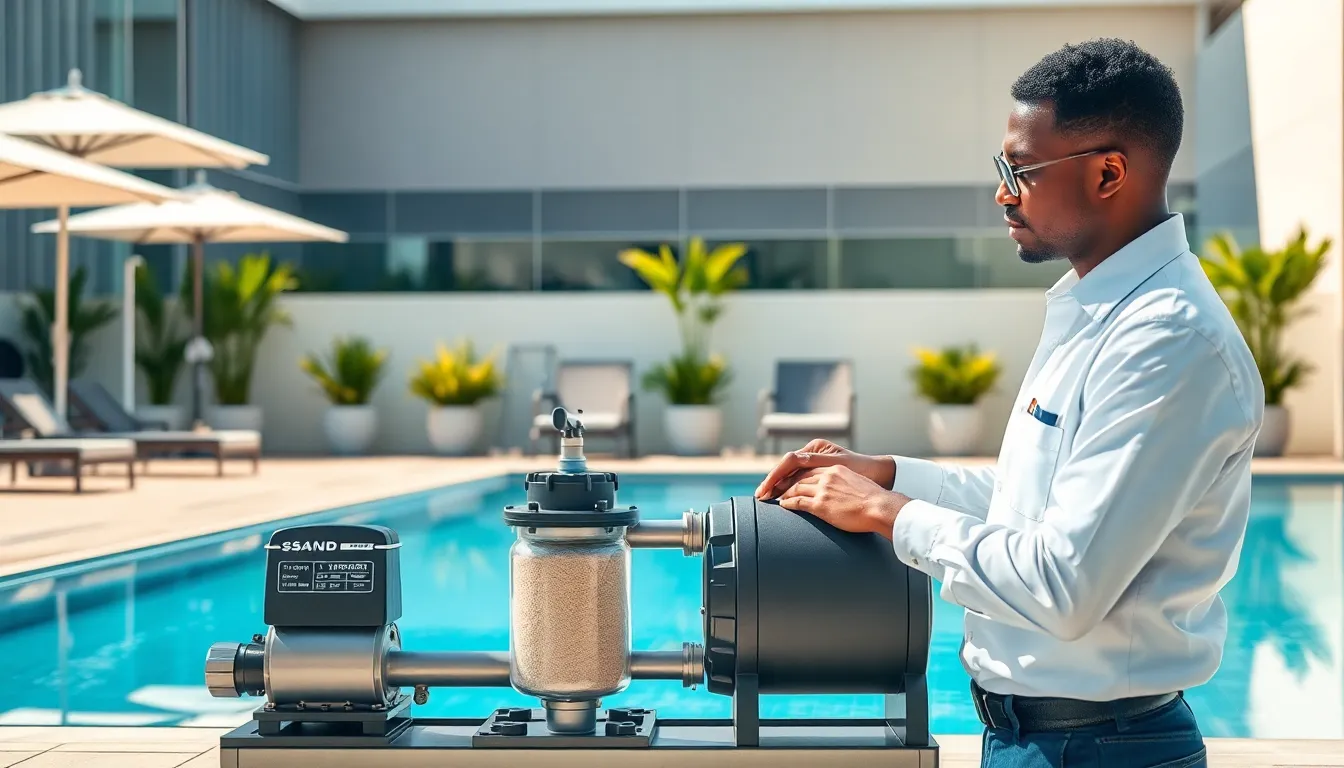
Swimming pool filters are the lungs of your pool, purifying the water and ensuring a clean swim any day of the week. They operate tirelessly, using various methods to remove dirt, leaves, and even tiny organisms that can turn a refreshing dip into a questionable choice.
In essence, these systems function through either sand, cartridges, or diatomaceous earth (DE). Each type has its own quirks, advantages, and limitations, but all feature a common goal: keep the water clean. The star of our show today is, of course, the filter sand, prized for its durability, effectiveness, and ability to trap even the tiniest particles.
For those who like a little backstory, sand filters have been around for decades and are a trusted choice among pool owners. The sand, typically silica, is placed in layers inside the filter tank, allowing water to flow through while blocking contaminants. Think of it as a bouncer for your pool’s party, only letting the good times roll in while sending the dirt packing.
Types of Pool Filter Systems
When it comes to pool filters, there are three main types to consider: sand filters, cartridge filters, and diatomaceous earth (DE) filters.
1. Sand Filters:
This is the classic option, easy to maintain and cost-effective. Sand filters use quartz sand to trap dirt, and they just need a good backwash every so often. They’re known for their suitable filtering capabilities, particularly for debris larger than 20 microns.
2. Cartridge Filters:
Cartridge filters use replaceable filter media that captures debris without the need for backwashing. They’re simpler to maintain than sand filters, but they may require more frequent cleaning. Cartridge filters are great for those looking for an eco-friendly option with lower water usage. The downside? They may not catch everything and could need replacing more often.
3. Diatomaceous Earth (DE) Filters:
These are the heavy-hitters of the filter world. DE filters use a powder made from fossilized algae, creating the most efficient filtration. DE filters can capture particles as small as 3 microns, making them ideal for pools prone to algae problems. But, they come with a higher upkeep cost and require more knowledge to operate effectively.
Choosing the right filter system often depends on personal preference, budget, and how ambitious pool owners are with their maintenance routines.
Importance of Filter Sand in Pool Maintenance
The filter sand is where the magic happens. It catches debris that would otherwise cloud your pool water, turning it into a refreshing blue wonderland. Without it, pool maintenance would be an uphill battle.
But why is sand so effective? It has a unique structure that allows for fluid movement, which helps trap dirt, algae, and other nasty pollutants. When you have good quality sand, it works efficiently to keep your pool clean and safe.
Besides, regular maintenance of your filter sand leads to better water circulation, which means fewer chemical usage. This can save you money in the long run while ensuring a pleasant swimming experience. No one wants to plunge into a green swamp unintentionally, right?
Choosing the Right Sand for Your Pool Filter
Not all sand is created equal. When selecting filter sand, it’s crucial to choose the right type to ensure optimal performance. You’ll want to search for sand that’s specifically manufactured for pool filtration rather than just grabbing any old bag from a construction site.
Opt for silica sand, this type typically has a grain size of 0.45 to 0.55 mm, minimizing the risk of clumping and maximizing filtering efficiency. It’s essential to avoid using sand that’s too fine: it can clog the filter and lead to poor performance.
Also, look for clean, washed sand, free from impurities. This may be a bit of an investment upfront, but the long-term results will be well worth it. Think of it as investing in a high-quality pair of shoes, would you rather have something that fits well and lasts, or something that falls apart after a few uses? Exactly, quality matters.
How to Replace and Maintain Filter Sand
Replacing and maintaining filter sand involves a few straightforward steps, but it’s essential to do it right. Regular replacement, usually every 3 to 5 years, will keep your filtration system running at its best. Here’s how to tackle it like a pro:
- Turn Off your Pool Pump: Safety first. Disconnect the pump and power to avoid any accidents.
- Remove the Sand: First, drain the filter and then take off the filter lid. Using a shop vacuum can make removing old sand simpler and less messy.
- Inspect the Filter: Before adding fresh sand, check for any damage or wear. If something looks off, now’s the time to fix it. You wouldn’t drive a car with a flat tire, right? Same goes for filters.
- Add New Sand: Pour in the new filter sand, ensuring not to overfill. Tapping down can help settle the sand and create a good foundation.
- Backwash the Filter: Once the new sand is in, start up the pump and run through a backwash cycle to ensure everything is clean and ready to go.
- Regular Maintenance: Plus to replacing the sand, keep an eye on pressure gauges and regularly backwash the filter, as it helps maintain efficiency. A clean filter means happy swimming.
Environmental Considerations and Recycling Sand
As eco-consciousness gains traction, pool owners might wonder, what happens to that spent filter sand? Thankfully, there are environmentally friendly solutions for disposing of or recycling it.
In some areas, sand can be repurposed for various landscaping projects, such as filling in holes or creating borders for garden beds. Check local regulations before tossing it aside. You might find that your leftover sand can contribute positively to a community garden or construction site.
Also, selecting high-quality, longer-lasting sand can minimize waste over time. Opting for more sustainable practices, such as purchasing sand from local suppliers or bulk providers, can reduce your carbon footprint while ensuring you have what you need. Small steps can lead to big changes.